Cessna 172RG Rear RH Baffle Assembly
Cessna 172RG Rear RH Baffle Assembly
Blog Article
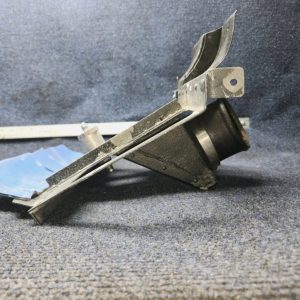
P/N 2455038-2 combines identifiable part-number information, rear right-hand positioning, cooling-air management, and maintenance value for the correct aircraft installation.
Accurate use of Cessna 172RG Rear Right-Hand Baffle, Cessna 172RG Engine Baffle, and Cessna 172RG Cooling Baffle terminology improves SEO without overstating fitment.
A Cessna Cutlass Engine Baffle may form part of a broader Cessna 172RG Baffle Assembly, while the Rear RH Engine Baffle must match the exact side, shape, and attachment arrangement.
Clear descriptions of Cessna 172RG Engine Compartment Parts help maintenance professionals estimate the full scope of the repair.
The Cessna Aircraft Engine Baffle, Engine Cooling Baffle Assembly, Cessna Cutlass Cooling System Part, and Cessna 172RG Replacement Baffle terms represent related maintenance and commercial searches.
Understanding P/N 2455038-2
The P/N 2455038-2 marking should be confirmed through stamped identification, labels, donor-aircraft records, packaging, photographs, and applicable Cessna parts information.
The right-hand orientation and rear engine-compartment location should be verified before shipment or installation.
Purpose of the Rear RH Engine Baffle
The rear right-hand baffle helps guide cooling air through intended paths around the engine installation rather than allowing it to escape through uncontrolled gaps.
A replacement component should restore the intended geometry without creating interference with cylinders, hoses, wiring, controls, exhaust parts, or cowling.
Avoiding Incorrect Baffle Substitution
Compatibility should be established through the exact aircraft model, serial number, engine installation, part number, baffle position, and applicable maintenance or parts information.
The replacement baffle should align naturally with surrounding parts and retain required clearances.
Cessna Baffle Flanges and Brackets
Preserving original geometry supports proper alignment and airflow management.
Small distortions may create air gaps, cowling interference, fastener misalignment, or stress around mounting points.
Assessing a Used Cessna Baffle
Areas near fasteners and vibration-prone attachment points deserve particular attention.
Cracks can begin near holes, bends, notches, bracket ends, and areas where the sheet metal has been repeatedly flexed.
Cessna Cooling Air Seal Replacement
Accurate seal information helps buyers calculate the complete repair requirements.
Excessively stiff or incorrectly positioned Cessna 172RG Rear RH Baffle Assembly material can interfere with cowling installation or fail to seal properly.
Protecting Aircraft Cooling Components
The depth and area of corrosion should be evaluated using suitable maintenance procedures.
The cause of contamination should be corrected before a replacement baffle is installed.
Maintaining Secure Baffle Connections
Cracks often begin near holes, corners, bends, bracket ends, and areas affected by vibration or forced alignment.
Correct attachment practices support secure and maintainable baffle installation.
Cessna 172RG Engine Compartment Parts
The complete engine-compartment area should be inspected before parts are ordered.
Used Cessna 172RG Engine Compartment Parts should be evaluated individually rather than accepted solely because they came from the same donor aircraft.
Baffle-Related Temperature Problems
Temperature sensors and gauges should be evaluated when readings appear inconsistent with other operating evidence.
Cleaning or replacing one baffle should not be presented as a guaranteed cooling improvement.
Repairing a Damaged Engine Baffle
A localized defect may be repairable, while widespread cracking, severe corrosion, or distorted geometry may support replacement.
Unauthorized welding, oversized fasteners, excessive material removal, or uncontrolled bending can reduce suitability.
Buying P/N 2455038-2
Honest listings reduce disputes and strengthen buyer confidence.
The listing should state whether the component is new, used, repaired, inspected, untested, serviceable, or offered for parts.
Inspecting the Baffle Before Purchase
The buyer should request enough information for qualified maintenance personnel to evaluate the component before purchase.
- Request clear photographs of every surface, marking, hole, bend, bracket, flange, crack, repair, corrosion area, and included component.
- Inspect the baffle for cracks, corrosion, pitting, dents, buckling, distortion, elongated holes, fretting, broken brackets, damaged flanges, and previous repairs.
- Confirm the invoice, payment protection, packaging method, shipping insurance, inspection period, return conditions, and stated component status.
Protecting Cessna Engine Baffles in Transit
Loose seals and hardware should be bagged, labeled, and secured separately.
The storage area should remain clean, dry, secure, and protected from salt, chemicals, water leaks, impact, and temperature extremes.
Fitting P/N 2455038-2
Installation should be completed by appropriately qualified aviation maintenance personnel using applicable aircraft, engine, parts, and maintenance information.
Fastener holes should be inspected carefully, while hardware type, grip, spacing, and installation method should correspond with suitable technical data.
Ground-operation observations should be completed through suitable procedures without promising a specific temperature improvement.
Protecting Aircraft Cooling Components
Small cracks, loose fasteners, failed seals, and finish damage should be evaluated promptly.
Wiring, hoses, and controls should not rub against the baffle or create repeated loading.
Buying a Rear Right-Hand Engine Baffle
P/N 2455038-2 can become a valuable engine-compartment component.
Aviation maintenance personnel should evaluate the assembly before repair, alteration, installation, or operational release.
Whether the project involves Cessna 172RG Engine Compartment Parts, an Aircraft Cooling Air Baffle, a Cessna 172RG Airflow Baffle, or a Cessna Aircraft Engine Baffle, every component should be inspected individually.
With prompt attention to cracks, corrosion, fasteners, seals, brackets, clearances, protective finishes, and surrounding components, the installation can preserve its condition and functionality.
Report this page